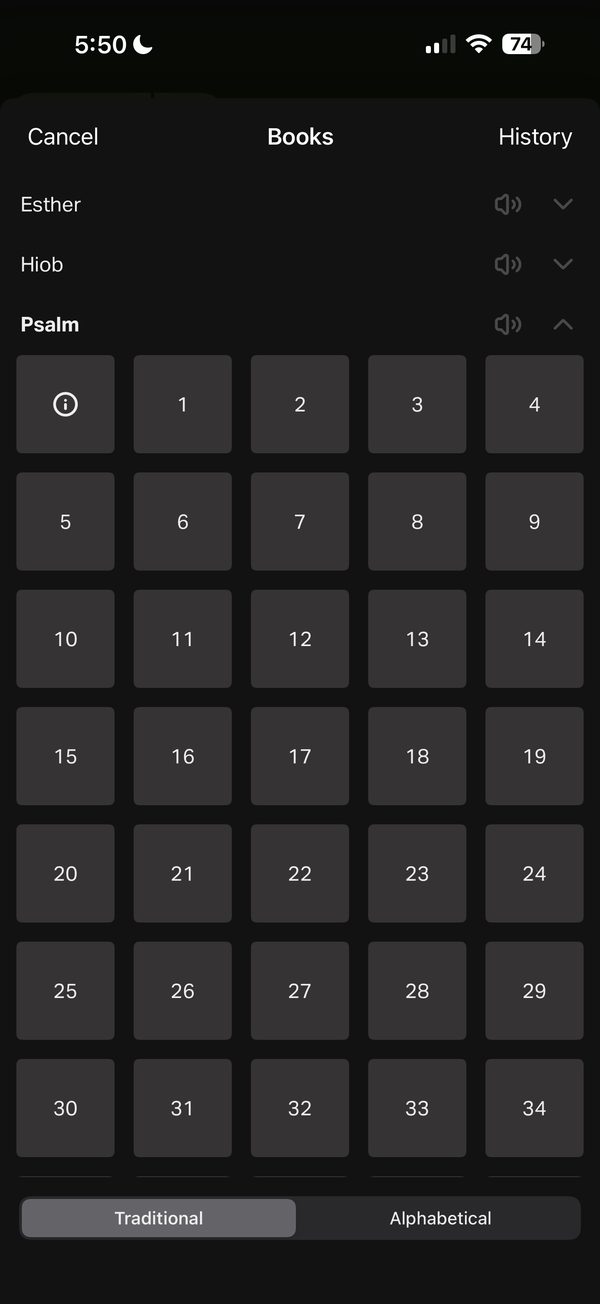
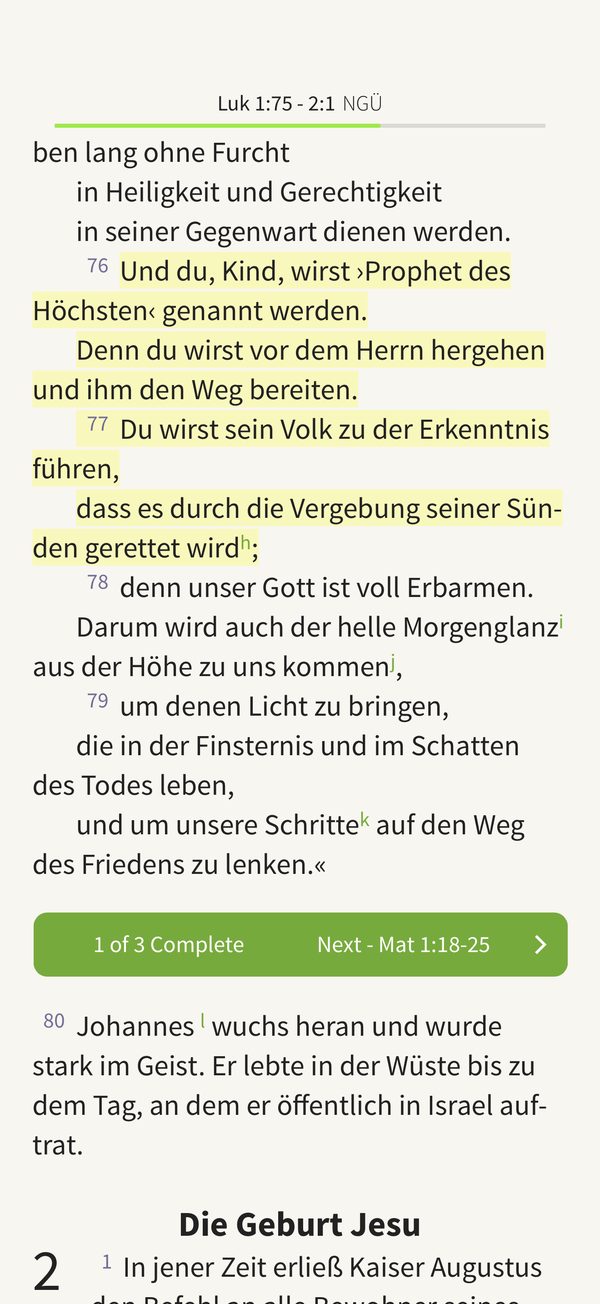
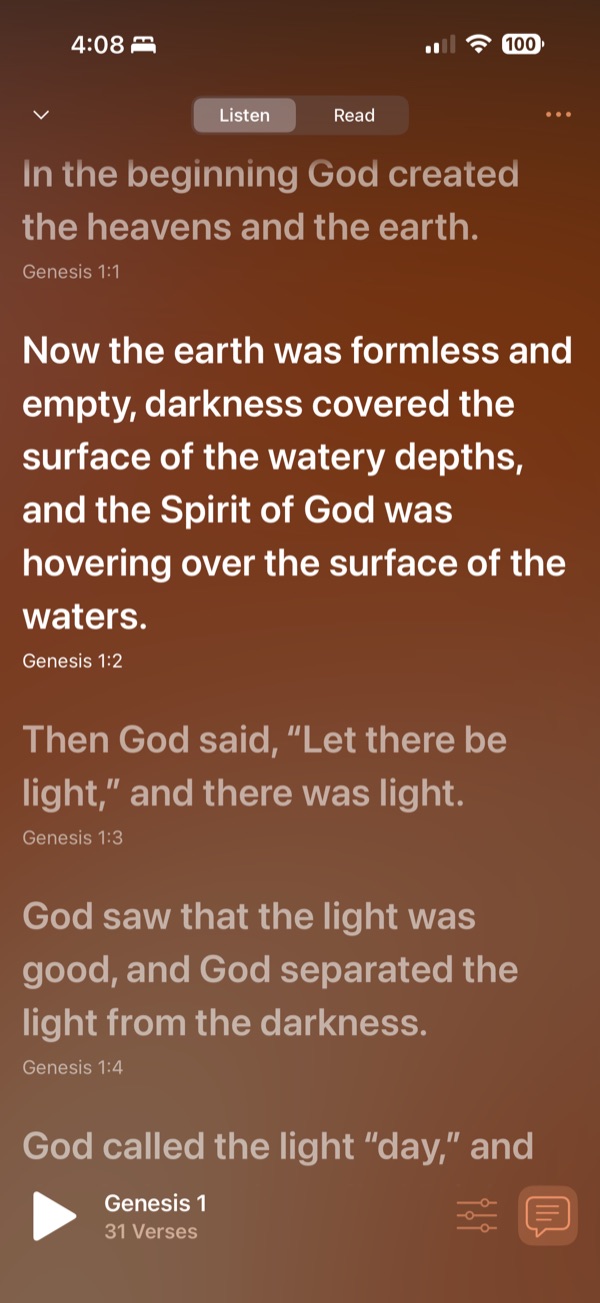
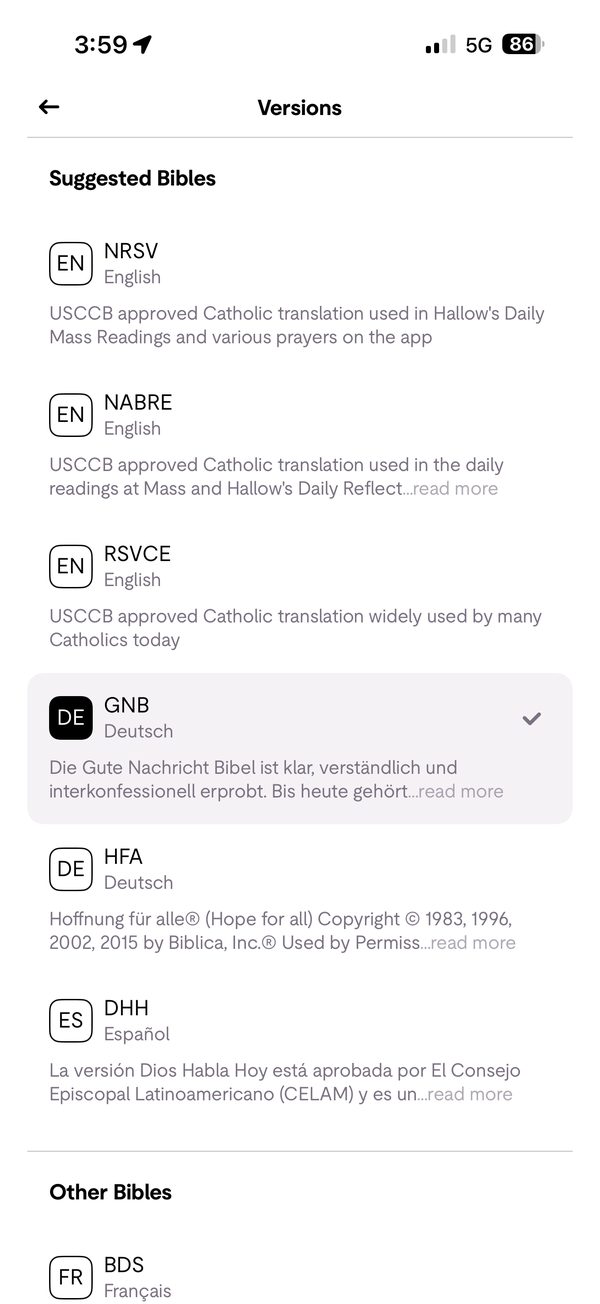
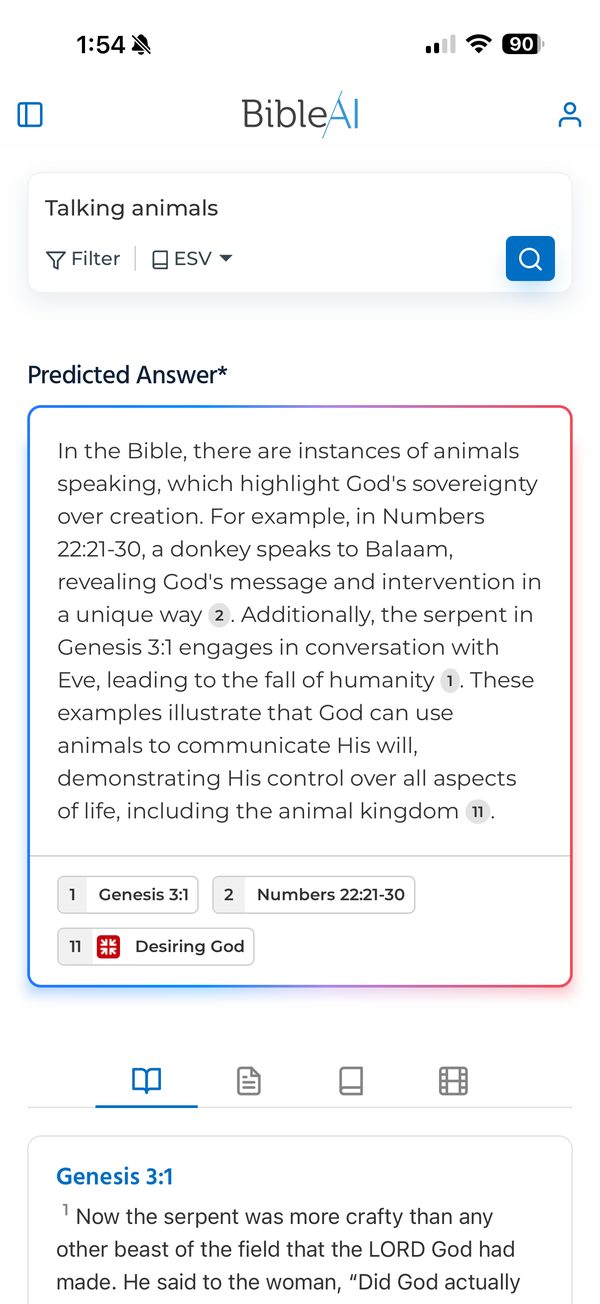
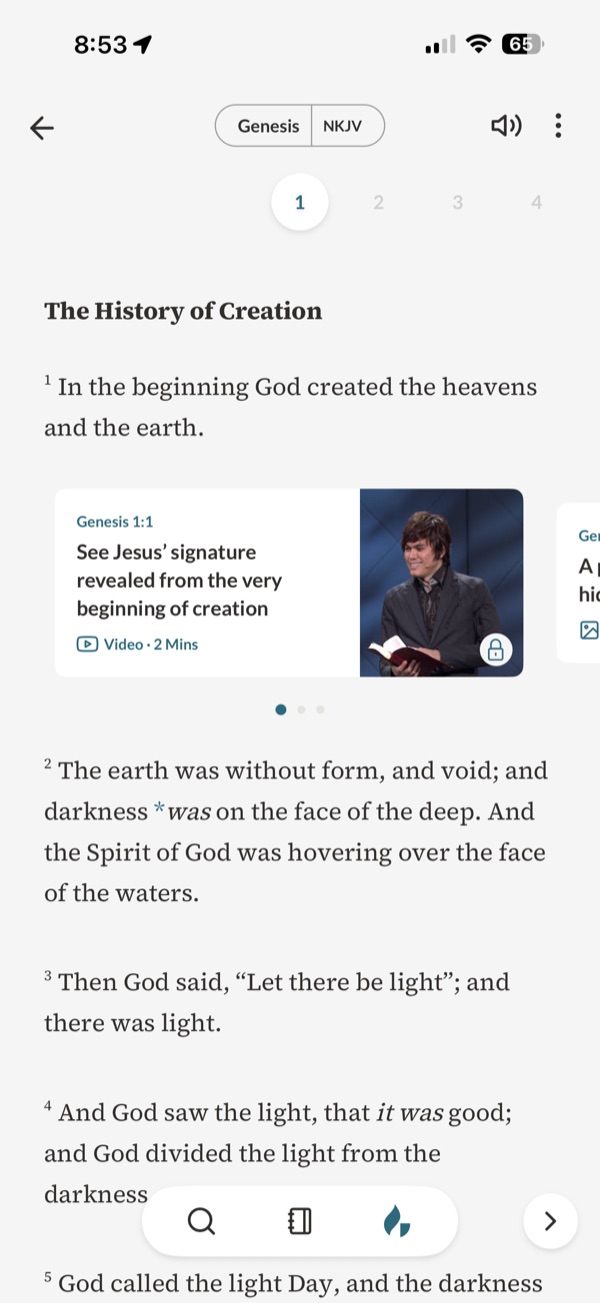
Each generation of Bible and faith technology has served people better than the last, and each has imported the reigning technology of its time. Knowing which wave a feature comes from helps a team ask what it was built to do, and whether that serves the reading and practice it now sits in.
5 waves since the 1980s
A formation-first strand alongside
After Tobias Treppmann’s Kairos research, fact-checked
Desktop and web Bibles did not gamify Scripture. From the smartphone wave on, streaks, notifications, badges and daily-active targets came in with the platforms, built for advertising products where time in the app is the goal. Formation asks for depth of encounter, not frequency of opens.
Audio and contemplative apps changed how Scripture and prayer are received, but often kept the same behavioural design. Most AI apps add a chatbot to that model, answering on demand rather than accompanying someone over time.
Persuasive by design
Studies of YouVersion describe its design as persuasive technology that trains particular reading habits, and evangelical builders as the driving force behind the digital Bible. Neither is a criticism by itself; both are reasons to ask what a feature trains people to do.
Rejecting pressure can tip into pure affirmation: a companion that never challenges is not a spiritual guide. The design question is neither gamified guilt nor empty validation, but grace that still tells the truth.
A parallel strand
Formation first, without the playbook
Some tools never adopted engagement mechanics and still reached very large audiences.
Pray As You Go
Launched by the British Jesuits on 1 March 2006 as a Lent trial: a daily ten-minute audio prayer with music, Scripture and Ignatian questions. Used tens of millions of times a year, with no streaks or badges.
A fixed, shared practice rather than a personal score; an ending rather than a feed; the same content for everyone, which keeps them simple and also means they cannot adapt to a person.
Know the person. The open question for the next wave is whether a tool can remember and adapt with care, as a spiritual director listens, without the surveillance and pressure the earlier waves imported.
Which wave did this feature come from, and is it still doing the job it was built for?
Exercise
List your product’s ten most visible features. Mark each with the wave it comes from and the business model that wave assumed. For each, ask whether it serves the reading or practice it now sits in, and what you would design if you started from that practice instead.
The four-wave framing comes from Tobias Treppmann’s Kairos research on missional AI (section 1.3). This note adds the desktop era, corrects the start of the web wave to 1993, and checks dates and figures against the sources above. Installs, rankings and usage numbers are as reported by the organisations or news outlets named; waves overlap, and the boundaries are an interpretive aid, not a precise history.